


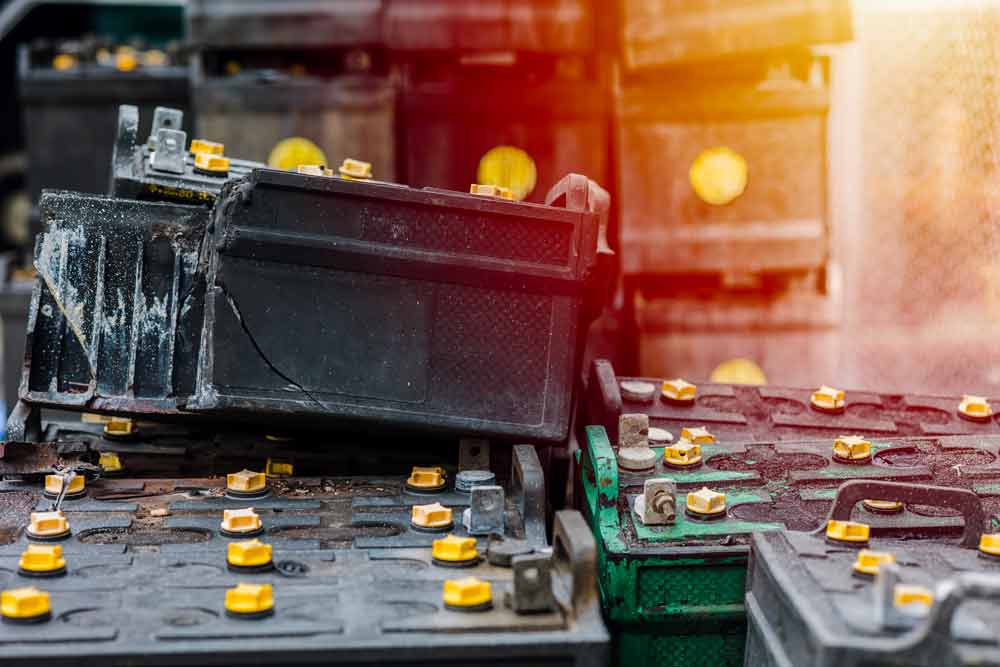
The price for lead per kg is one of the most closely monitored indicators in the metal recycling and battery industries. Lead remains a critical raw material for automotive batteries, industrial energy storage systems, and backup power applications. While global commodity exchanges provide benchmark prices, the real value of lead is ultimately defined by quality, purity, and reliability of supply.
In this context, lead recycling plants—especially those processing lead-acid batteries—play a strategic role in shaping market dynamics. Advanced recycling technologies allow secondary lead to compete directly with primary production, both in terms of quality and pricing. Understanding what drives lead prices and how recycling operations influence them is essential for plant operators and industrial buyers alike.
Global Market Forces Behind the Price for Lead per kg
At the macroeconomic level, lead prices are influenced by global supply and demand. The automotive sector remains the largest consumer of lead, with demand closely tied to vehicle production and battery replacement cycles. Industrial batteries for telecommunications, data centers, and renewable energy storage further contribute to steady demand.
On the supply side, primary lead production is constrained by mining capacity, environmental regulations, and geopolitical factors. As a result, secondary lead from recycling has become increasingly important in balancing the market. In many regions, recycled lead accounts for the majority of supply, reinforcing the relevance of recycling plants in price formation.
Energy costs, currency fluctuations, and logistics also affect the price for lead per kg. Smelting and refining are energy-intensive processes, and changes in fuel or electricity prices can quickly influence production costs and market pricing.
Check the LME Lead Official Prices curve
Why Quality Matters More Than the Headline Price
Although commodity exchanges publish daily lead prices, these figures represent standardized reference grades. In real transactions, buyers adjust prices based on the quality and consistency of the supplied metal. High-purity lead that meets battery-grade specifications can achieve prices close to or equal to primary lead, while contaminated or inconsistent material is discounted.
Quality considerations include chemical composition, trace element levels, and physical properties. Even small amounts of unwanted impurities can negatively affect battery performance and lifespan, making quality control a critical concern for manufacturers.
For this reason, the price for lead per kg is not a fixed value but a range influenced by metallurgical performance and reliability of supply.
Primary Lead vs. Secondary Lead: Closing the Value Gap
Historically, primary lead was perceived as superior in quality, commanding a price premium over recycled material. Advances in recycling technology have significantly narrowed this gap. Modern lead recycling plants are capable of producing secondary lead with purity levels comparable to primary metal.
Controlled smelting processes, advanced refining stages, and precise alloy management enable recyclers to meet stringent specifications required by battery manufacturers. As a result, secondary lead increasingly trades at competitive prices, reducing dependence on mining and supporting circular economy objectives.
From an economic standpoint, this shift strengthens the role of recycling plants as value creators rather than low-margin material processors.
The Role of Battery Recycling Plants in Lead Pricing
Lead-acid battery recycling plants are uniquely positioned within the lead value chain. They operate at the intersection of waste management, metal recovery, and industrial supply. Their ability to deliver consistent, high-purity lead directly influences market confidence and pricing stability.
Efficient separation of battery components is a critical first step. Removing plastics, electrolytes, and non-lead materials reduces contamination risks and stabilizes furnace feed composition. This directly affects smelting efficiency and final metal quality.
Well-designed plants also minimize metal losses during processing, improving yield per ton of input material. Higher recovery rates translate into lower production costs and greater flexibility in pricing.
Smelting and Refining: Key Stages That Define Value
The smelting stage is where much of the value of recycled lead is determined. Stable furnace operation ensures consistent metal chemistry and minimizes slag formation. Variability in input materials increases energy consumption and leads to inconsistent output, both of which negatively affect profitability.
Refining processes further enhance lead quality by removing residual impurities and adjusting alloy composition. Advanced refining systems allow plants to tailor lead output to specific applications, such as automotive batteries or industrial uses.
Consistency at these stages is essential for maintaining buyer confidence and securing long-term supply agreements at favorable prices per kg.
Regulatory Pressure and Its Impact on Lead Prices
Environmental and safety regulations increasingly shape the economics of lead production. Emission limits, waste handling requirements, and worker safety standards impose additional costs on both primary and secondary producers.
Recycling plants that invest in modern, compliant technologies are better positioned to absorb these costs and maintain competitive pricing. In contrast, outdated facilities face higher operational risks and potential production disruptions, which can affect supply and pricing.
From a market perspective, buyers are increasingly attentive to the environmental footprint of their raw materials. Sustainably produced recycled lead can therefore command a strategic advantage beyond pure price considerations.
Price Volatility and Risk Management in Recycling Operations
Lead prices are subject to cyclical fluctuations driven by economic conditions and shifts in industrial demand. Recycling plants must manage this volatility while maintaining operational stability.
Plants that focus solely on throughput are more exposed to price swings. In contrast, facilities that prioritize quality and process efficiency can maintain margins even when prices decline. High-purity lead remains in demand across market cycles, providing a buffer against downturns.
Diversifying output streams and maintaining flexible production capabilities further strengthens resilience, allowing recyclers to adapt to changing market conditions.
The Strategic Importance of Data and Process Control
Modern recycling plants increasingly rely on data-driven process control to optimize lead recovery and quality. Monitoring key parameters such as furnace temperature, slag composition, and impurity levels enables operators to maintain consistent output.
This level of control supports predictable pricing and strengthens relationships with industrial buyers. Over time, data-driven optimization reduces operational variability and enhances overall profitability.
In a competitive market, the ability to consistently deliver lead that meets specifications is often more valuable than short-term price advantages.
GME Recycling’s Approach to High-Value Lead Recovery
GME Recycling approaches lead recovery as a fully integrated process, from initial material separation to final refining. Rather than treating recycling as a single-stage operation, GME designs complete plants that prioritize quality, efficiency, and compliance.
Advanced separation systems stabilize furnace feed, while optimized smelting and refining technologies ensure consistent lead purity. This approach enables recycling plants to produce secondary lead that competes directly with primary metal in both quality and price.
By focusing on long-term performance rather than short-term output, GME Recycling supports its clients in achieving stable pricing, regulatory compliance, and sustainable profitability in the lead recycling market.
Comments are closed.

