


GME Recycling

Screw Conveyors and Bucket Elevators in Recycling Operations
Screw conveyor battery recycling and bucket elevator recycling plant applications present unique engineering challenges: materials range from fine lead paste (bulk density 2.5-3.5 t/m³) to coarse plastic fragments (bulk density 0.4-0.6 t/m³), sulfuric acid contamination attacks conventional materials within months, lead oxide dust requires sealed construction preventing atmospheric release, and elevation changes of 5-15 meters are common in multi-level processing

Metal Detection Systems for Battery Recycling Operations
The battery recycling industry processes some of the most complex material streams in modern manufacturing: multi-chemistry cell formats, mixed metal alloys, composite electrodes, and structural components spanning the full conductivity spectrum. Within this complexity, undetected metallic contamination represents one of the most costly and operationally disruptive risks a facility can face. Metal detection systems for recycling are therefore not a

Conveyor Belt Systems for Battery Recycling Plants
Lead-acid batteries remain the most recycled industrial product on the planet. With recycling rates exceeding 95% in Europe and North America, the lead-acid battery (LAB) recycling industry processes millions of tonnes of spent batteries annually — from automotive starter batteries and industrial forklift units to stationary backup power and telecommunications installations. At the core of every high-performing lead-acid battery recycling

Optical Sorting Systems for Battery Recycling Plants
The global battery recycling industry faces a materials identification challenge of exceptional complexity. A single end-of-life lithium-ion battery pack may contain polypropylene casing, polyethylene separators, aluminium and copper current collectors, steel structural components, and electrode chemistries spanning lithium iron phosphate, NMC, NCA, and LCO variants — each requiring different downstream processing routes. Manual sorting of these mixed streams at industrial

Magnetic Separator Systems for Battery Recycling Plants
Ferrous metal contamination is one of the most persistent challenges in battery recycling operations. Steel battery casings, iron terminal components, and structural fasteners from battery module assemblies permeate every stage of the processing chain — from incoming whole-pack streams through to post-shredding black mass fractions. Left unaddressed, ferrous contamination damages downstream processing equipment, reduces output purity, and introduces impurities into

Battery Recycling Plant Outputs: recovered sulfuric acid solutions
Lead-acid battery recycling operations generate multiple valuable output streams, with recovered sulfuric acid representing a significant component of facility economics and environmental performance. Modern battery recycling technology enables efficient recovery, purification, and reuse of sulfuric acid (H2SO4), transforming a potentially hazardous waste material into a marketable industrial chemical. GME Recycling provides comprehensive acid recovery systems integrated with complete battery processing

Standard and Custom Aluminum Extrusion Recycling Solutions
Aluminum extrusion recycling has emerged as a critical component of sustainable manufacturing and resource conservation strategies across global industries. Whether processing standard architectural profiles or custom-designed industrial extrusions, efficient recycling systems recover valuable aluminum while reducing energy consumption and environmental impacts associated with primary metal production. GME Recycling provides comprehensive solutions for aluminum extrusion recycling, from material identification through final
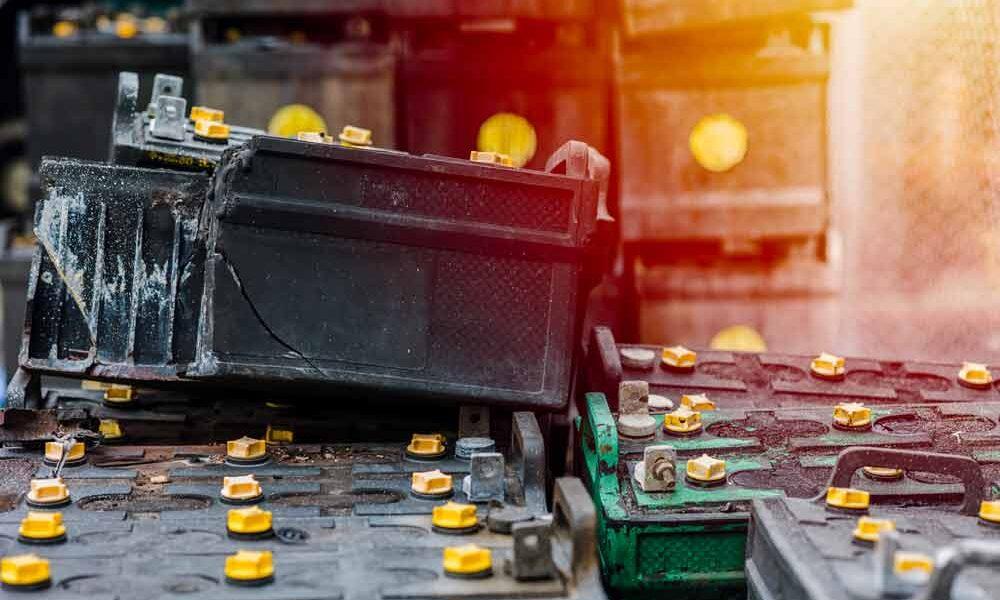
Price for Lead per kg: what drives value in the recycling industry
The price for lead per kg is one of the most closely monitored indicators in the metal recycling and battery industries. Lead remains a critical raw material for automotive batteries, industrial energy storage systems, and backup power applications. While global commodity exchanges provide benchmark prices, the real value of lead is ultimately defined by quality, purity, and reliability of supply.

Tethered Bottle Caps: what they mean for Recycling Plants and Material Recovery
Tethered bottle caps are becoming an increasingly common feature on plastic bottles across Europe and other regulated markets. Driven by environmental legislation and anti-litter objectives, these caps are designed to remain attached to the bottle throughout its lifecycle. While the concept is simple, the implications for recycling systems are far more complex. For recycling plants, tethered caps introduce new variables

Alloy Scrap Metal Prices per Ton: Market Trends and Value Optimization in Recycling Plants
Alloy scrap metal prices per ton are a critical benchmark for recycling plant operators, traders, and industrial end users. While global commodity indexes provide reference values, the actual price achieved in real transactions depends heavily on material quality, consistency, and processing efficiency. In modern recycling operations—especially those linked to lead-acid battery recycling—price optimization is no longer driven solely by market

Legal Seat. Via Monte Bianco 4, 20900 Monza MB - ITALIA
REA MB – 1891571 - P.IVA (VAT) - 08357310963
