


GME Recycling

How Recycling Plants Use AI-Equipped Robots to Sort Through Recycled Waste More Efficiently
Recycling plants are facing a growing challenge: waste streams are becoming more complex, more contaminated, and less predictable. This is particularly true in industrial recycling environments, including lead-acid battery recycling plants, where incoming material often combines metals, plastics, rubber, and non-processable fractions. Traditional mechanical separation and manual sorting alone are no longer sufficient to maintain high recovery rates while controlling

Uses of Aluminium in Modern Industry: applications and advantages
The Role of Aluminium in Industrial Development Aluminium plays a key role in the evolution of modern industry. Its light weight, high strength, corrosion resistance, and thermal and electrical conductivity make it one of the most versatile materials in global manufacturing. Since its first large-scale production in the late 19th century, aluminium has become essential in construction, mobility, energy, and

Professional aluminum scrapping: from collection to processing
The aluminum scrapping industry has evolved from simple collection and sorting operations into sophisticated material processing enterprises that employ advanced technologies, comprehensive quality control systems, and integrated logistics networks. Modern scrapping operations must navigate complex market dynamics, regulatory requirements, and technical challenges while maintaining profitability across diverse aluminum grades and contamination levels. Professional aluminum scrapping encompasses the entire value chain

The aluminum recycling process: step-by-step towards a circular future
Why Recycling Aluminum Is So Important Aluminum is one of the most sustainable materials ever produced — not only because it is lightweight and durable, but because it can be recycled indefinitely without losing its original properties. Producing new aluminum from bauxite ore is extremely energy-intensive, consuming up to 95% more energy than recycling. The aluminum recycling process therefore plays

Aluminium benefits in modern manufacturing: light, strong and sustainable
Key properties of Aluminium for industrial applications Aluminium has become the metal of choice for modern manufacturing. Its unique combination of light weight, strength, and versatility makes it ideal for applications across the automotive, aerospace, construction, energy, and electronics industries. Key technical advantages include: Lightweight yet strong: aluminium’s density is one-third that of steel, allowing manufacturers to produce lighter components

Aluminum cable recycling: advanced solutions for wire and cable waste
The global transition toward renewable energy infrastructure, electric vehicle charging networks, and smart grid technologies has dramatically increased aluminum cable usage while simultaneously creating substantial opportunities for specialized recycling operations. Unlike traditional copper-based systems, aluminum cables present unique processing challenges and recovery opportunities that demand sophisticated equipment and specialized expertise to maximize economic returns. Modern aluminum cable waste streams encompass
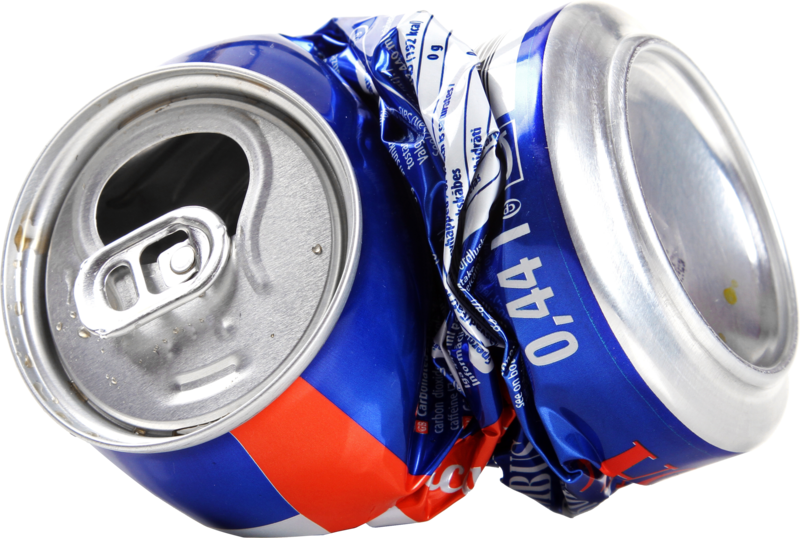
Green Aluminum: how sustainable recycling is transforming the Metal Industry
What Is Green Aluminum? “Green aluminum” refers to aluminum produced with minimal environmental impact, either through renewable energy sources or advanced recycling processes that drastically cut CO₂ emissions. Traditional primary aluminum production, which relies on energy-intensive smelting of bauxite, contributes significantly to global greenhouse gas emissions. In contrast, recycled aluminum—processed using modern, low-energy technologies—offers a 95% reduction in energy consumption

Pure Aluminum Ingot: from recycling to industrial use
What Is a Pure Aluminum Ingot? A pure aluminum ingot is a solid block of refined aluminum metal, typically containing 99.7% or higher purity, used as the base material in countless industrial applications. These ingots are produced through smelting and refining processes, which remove impurities and alloying elements to achieve a high-quality, uniform composition. Pure aluminum ingots are essential for

Lead material price trends 2025: impact on battery recycling industry
The global lead market continues to experience significant volatility as supply chain disruptions, environmental regulations, and shifting demand patterns reshape the traditional dynamics of this critical industrial metal. For battery recycling operations, understanding and anticipating lead price movements has become essential for maintaining profitable operations and making strategic investment decisions in processing infrastructure. Recent market analysis indicates that lead prices

Solid state battery recycling: the future of sustainable energy storage
The energy storage landscape is experiencing a revolutionary transformation as solid state batteries emerge as the next generation technology, promising enhanced safety, higher energy density, and longer lifespans compared to conventional lithium-ion systems. However, as this cutting-edge technology approaches commercial viability, the recycling industry must prepare for an entirely new set of challenges and opportunities in battery waste management. Unlike

Legal Seat. Via Monte Bianco 4, 20900 Monza MB - ITALIA
REA MB – 1891571 - P.IVA (VAT) - 08357310963
